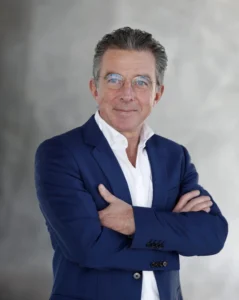
Markus Payer
Founder & Director
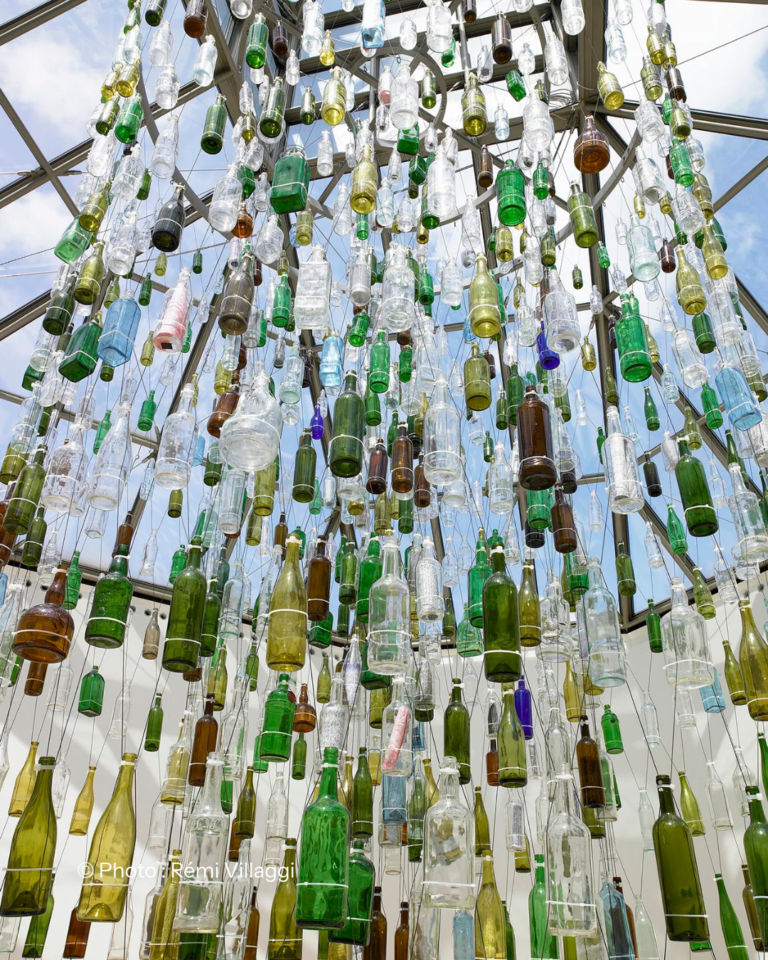
Recently, on the Greek island of Hydra, the American artist Nari Ward told the New Museum’s chief curator, Massimiliano Gioni, about one of his emblematic works, Geography: Bottle Messenger (2002), which is part of the collection of Luxembourg’s Museum of Modern Art, Mudam.
Ward explained how the small handwritten notes he had placed inside the bottles – messages written in ink by his autistic grandmother during his childhood in Jamaica – had gradually faded under the influence of light. He recalled asking the museum whether they should be protected or restored. The answer was simple: let time play its role.
Ward’s reference to Luxembourg, made before a highly regarded international audience on Hydra, illustrated what reputation Mudam has earned as a respected authority in contemporary art and as an important destination on the global art map.
Designed by the U.S.-Chinese architect Ieoh Ming Pei, the museum stands on Luxembourg City’s Kirchberg plateau, alongside the Philharmonie and next to the bustling district that hosts several major European institutions.
Last week, Mudam celebrated its 20th anniversary.
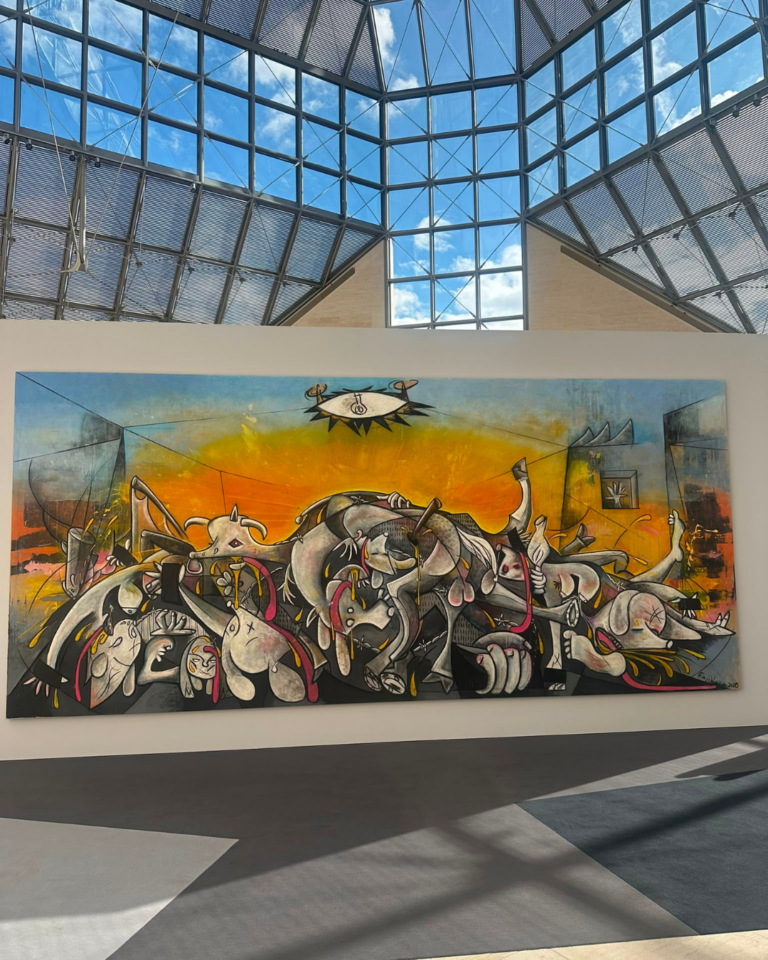
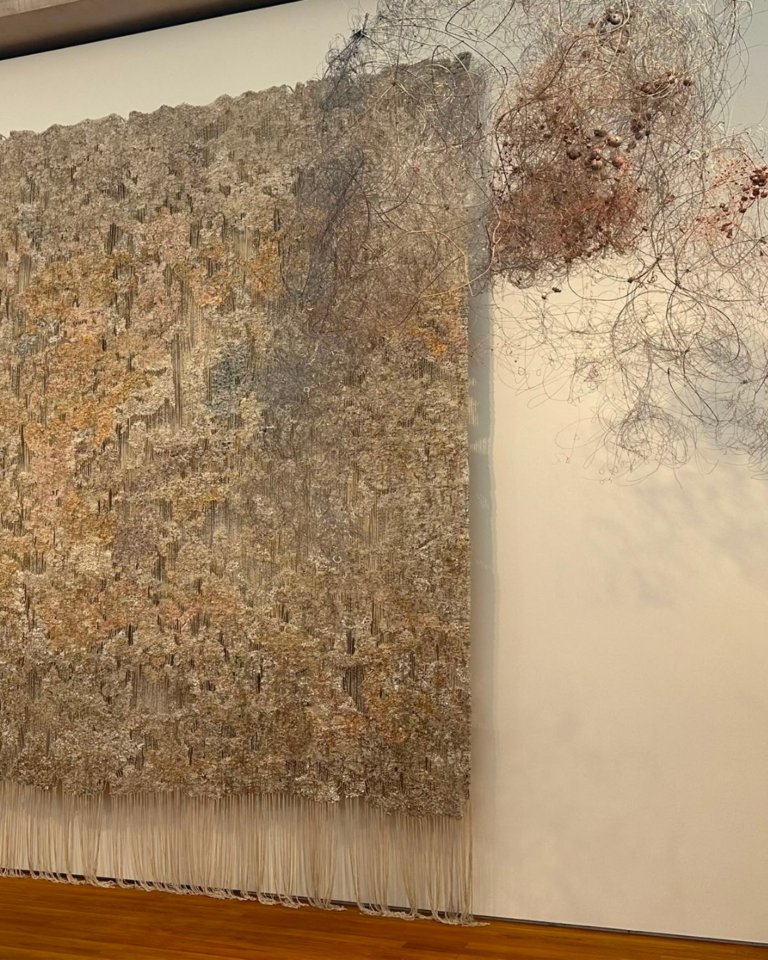
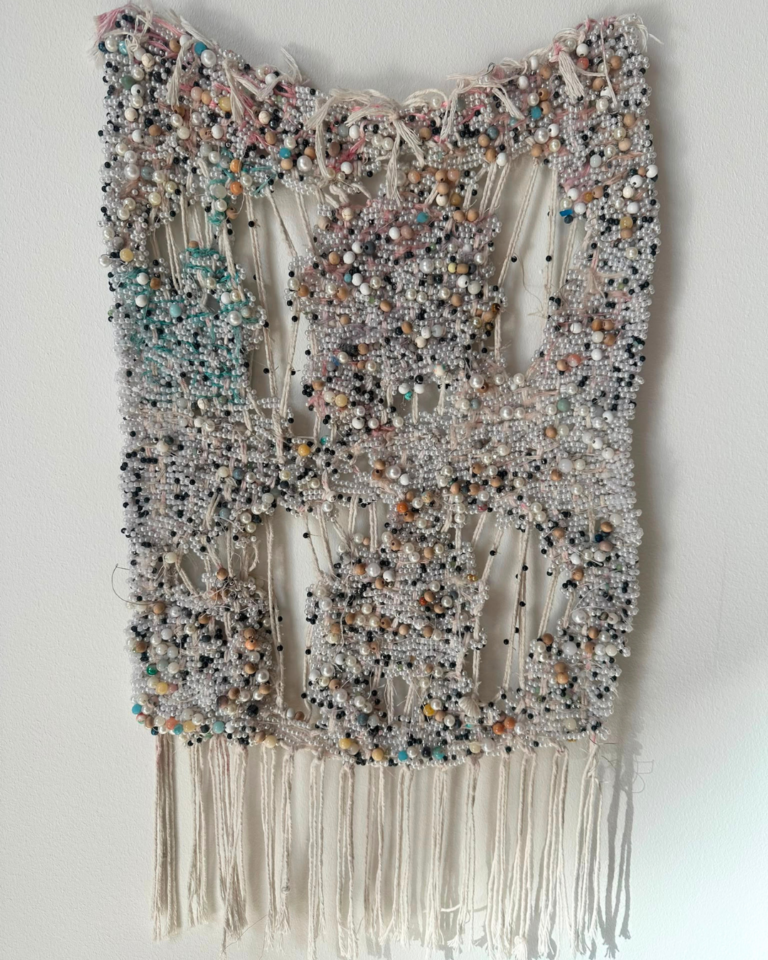
A summer reception hosted by Paperjam, a publication which, the following day, welcomed our new venture, waveL art, to the prestigious Paperjam Club, provided an excellent opportunity to revisit the museum, its temporary exhibitions and highlights from its permanent collection.
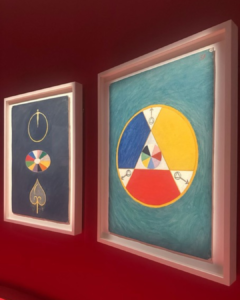
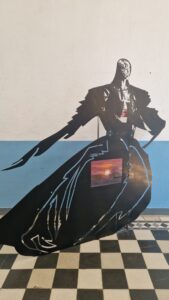
Among the works on display were Simon Fujiwara’s A Whole New World and Igshaan Adams’s Between Then and Now.
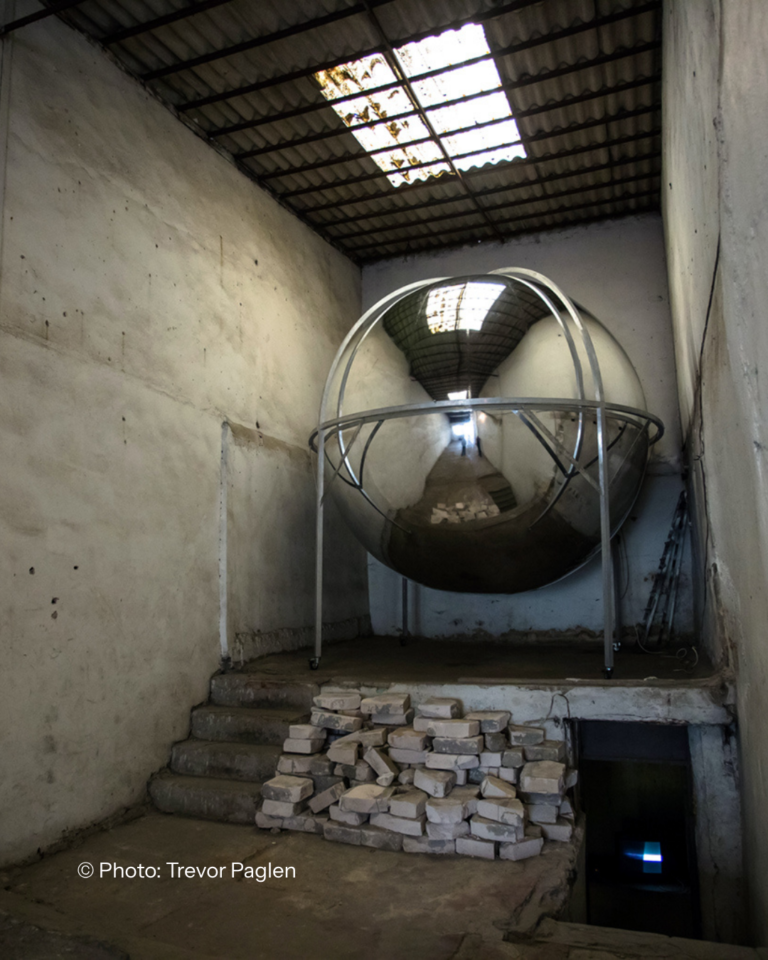
The anniversary also brought back personal memories. As Director of Corporate Communications at the Luxembourg-based global satellite operator SES, I have had the privilege of supporting Mudam’s exhibition Eppur Si Muove in 2016, particularly with supporting the inclusion of a work by the American artist Trevor Paglen.
Paglen is renowned for exploring the hidden technological infrastructures that shape contemporary life – from surveillance and security systems to scientific and military networks on Earth and in space.
The work we selected, Prototype for a Nonfunctional Satellite, paid tribute to an industry in which Luxembourg has established both engineering excellence and a remarkable geopolitical position over the past several decades.
To borrow a memorable remark by Luxembourg’s Grand Duke, the country is much bigger in space than on Earth. There is truth in that observation. Today, one might want to add the arts to the equation.