
Maria Freitas
Digital Marketing & Social Media
Some museums invite us to observe. Others create movement.
Long before I reached the final floor of MUZEU, I realised this wasn’t a place asking me to admire art. It was asking me to question it. Every room challenged me to look beyond aesthetics, to search for meaning, and to accept that perhaps there wasn’t always a single interpretation waiting to be found.
Housed in Braga’s former Courthouse, MUZEU represents one of Portugal’s most compelling examples of cultural storytelling. A building once dedicated to delivering verdicts has been transformed into a space devoted to critical thought, dialogue and imagination. During its years as a courthouse, it sought to determine truths; today, it welcomes uncertainty, encouraging visitors to explore multiple ways of understanding the world.
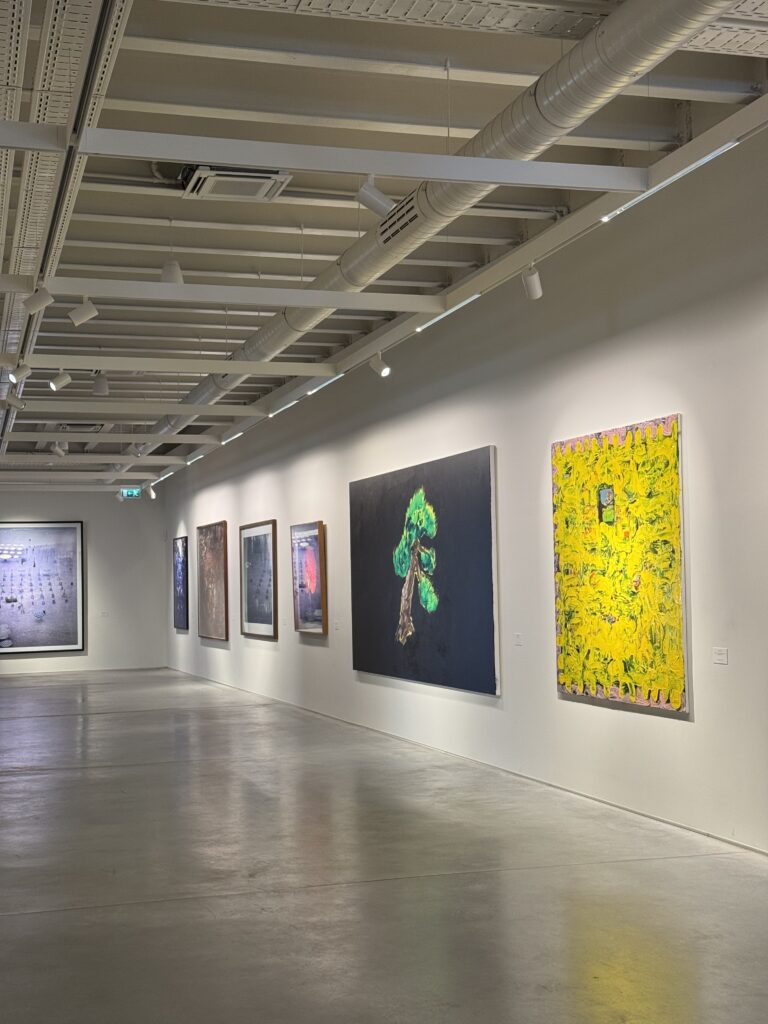
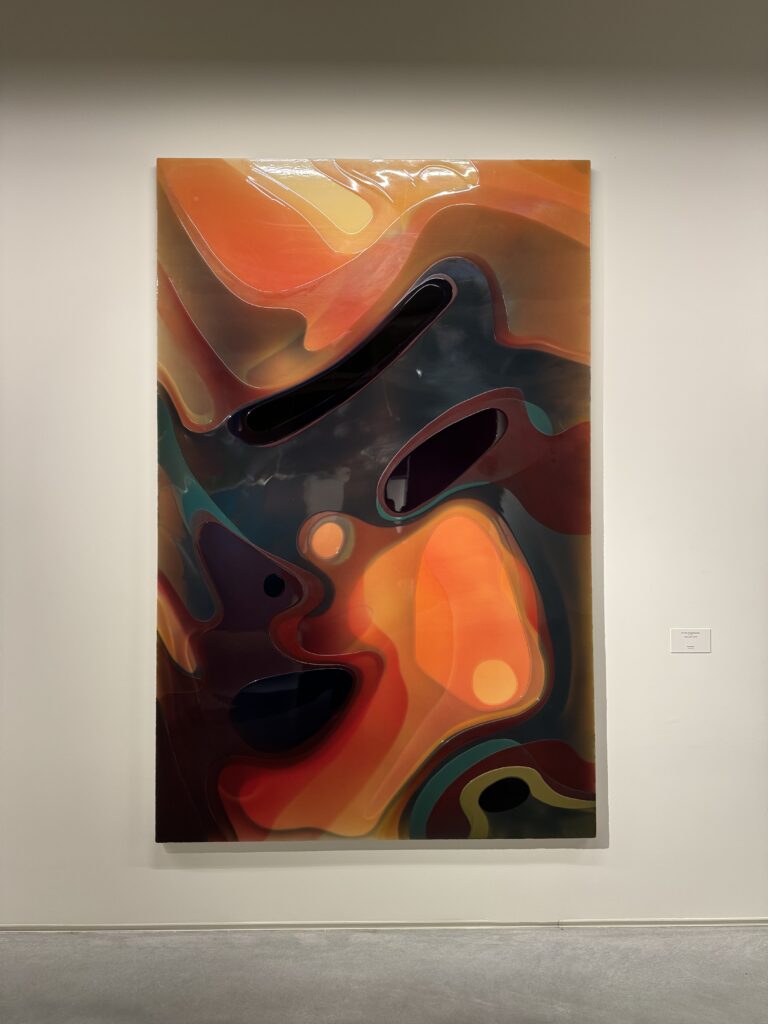
As I wandered through the museum, I realised I wasn’t trying to decide which artwork I liked the most. Instead, I found myself trying to understand why certain pieces unsettled me, challenged me or quietly stayed with me. In many ways, that is MUZEU’s greatest strength: it shifts the focus from admiration to interpretation.
Built upon a carefully conceived narrative, the museum presents art not as an isolated experience but as part of a broader intellectual ecosystem where architecture, philosophy and contemporary artistic practice coexist. Rather than positioning itself as a conventional exhibition venue, MUZEU embraces conversation as one of its principal mediums, creating a space where exhibitions, talks and public programmes encourage visitors to participate instead of simply observe.
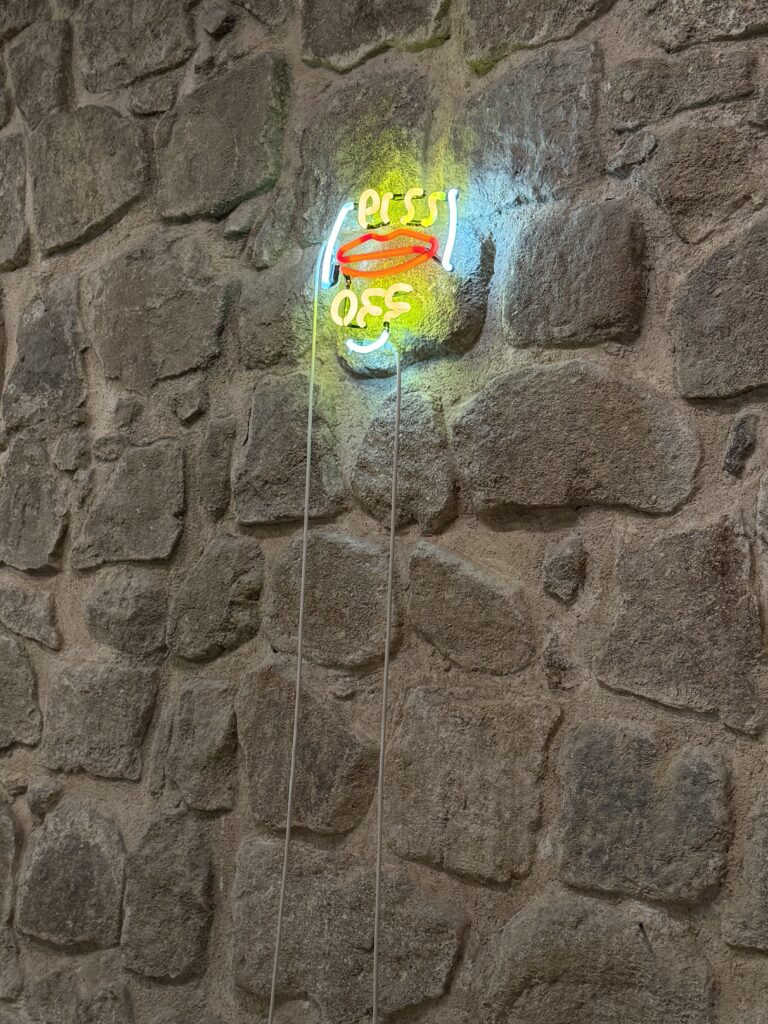
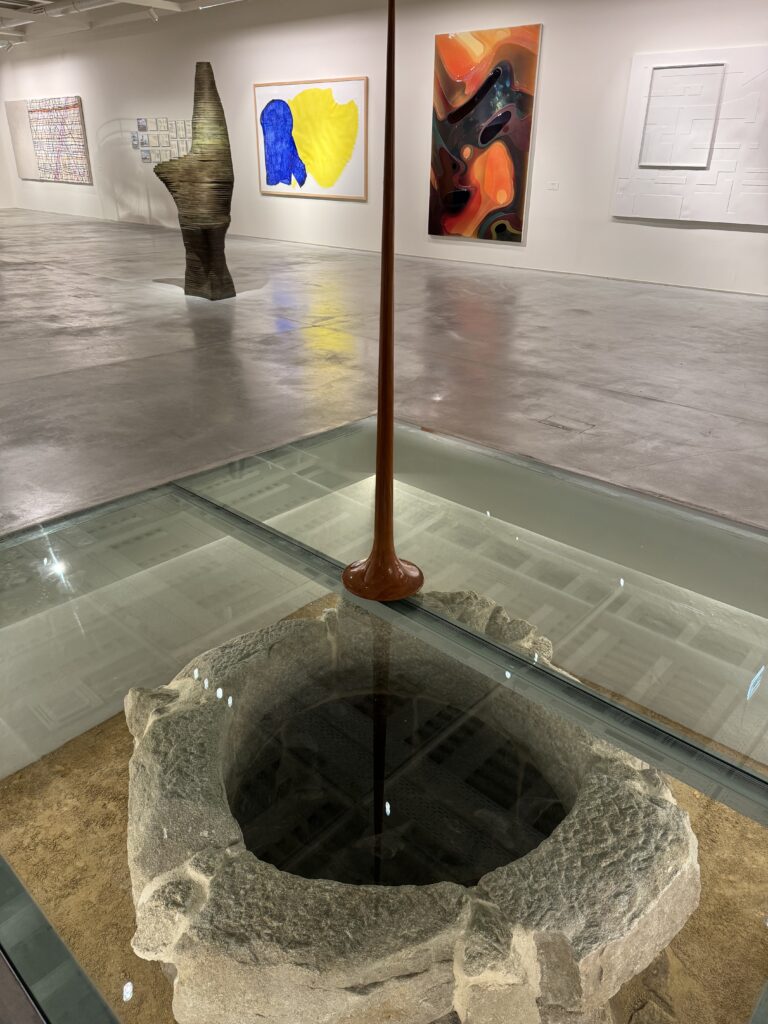
Its very name reflects this ambition. The unconventional spelling of “MUZEU” challenges traditional perceptions of what a museum should be: distant, silent and authoritative. Instead, it proposes something more open, experimental and participatory. This philosophy is echoed throughout José Carvalho Araújo’s architectural intervention, which carefully preserves elements of the former courthouse while reinterpreting them for a new cultural purpose. The original façades remain. The historic stone wall and well continue to tell Braga’s story. Rather than erasing the past, the building allows you to travel back in time without ever leaving the modern realm.
When MUZEU opened on 25 April 2026, the symbolism could hardly have been stronger. Coinciding with the anniversary of the Carnation Revolution, the opening marked not only the inauguration of a new cultural institution but also the rebirth of a historic building into a place where freedom of thought and public dialogue take centre stage.
Perhaps the museum’s most compelling story, however, is not found within its walls but in the vision that made it possible.
Over more than four decades, José Teixeira assembled an extraordinary private collection of contemporary art. Yet this was never a collection intended to remain hidden. Long before MUZEU opened its doors, many of these works had already become part of everyday life within dst Group‘s buildings, allowing employees to encounter contemporary art as part of their daily routines. MUZEU feels like the natural evolution of that philosophy: art should not belong to a privileged few; it should become part of everyday life.
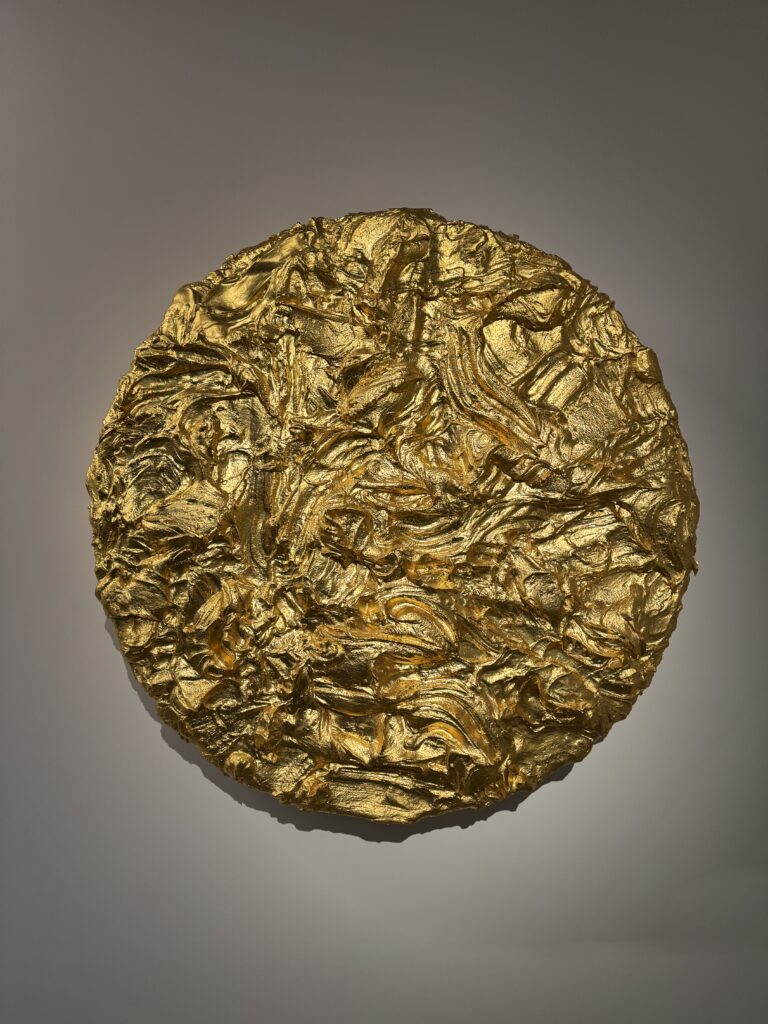
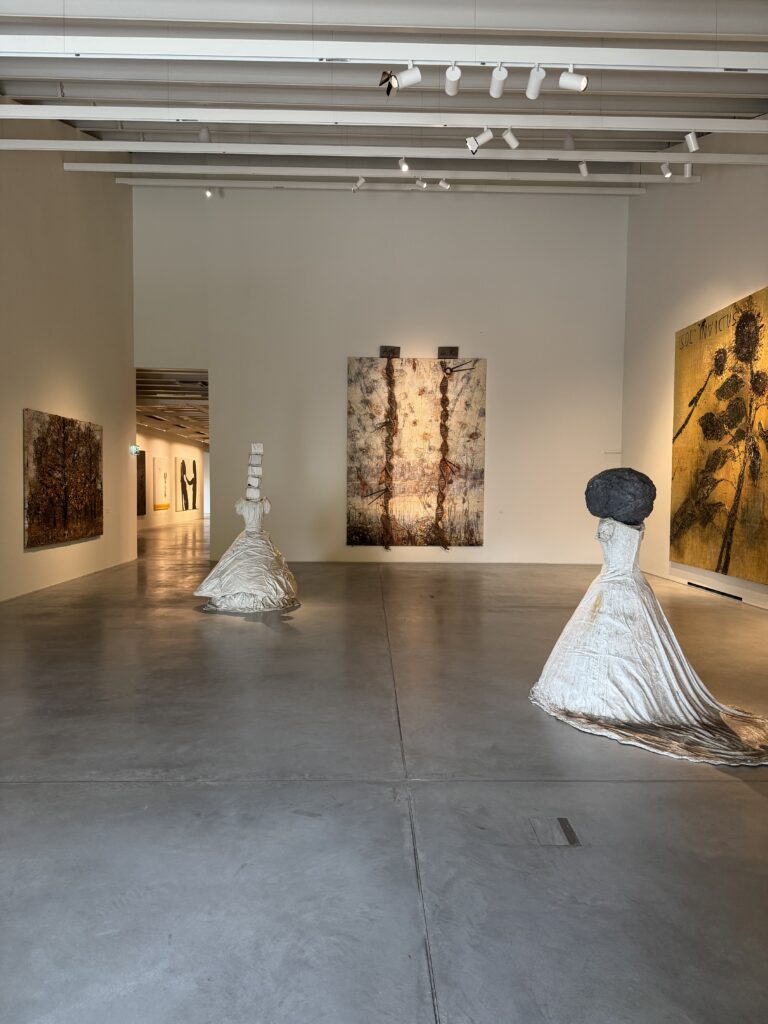
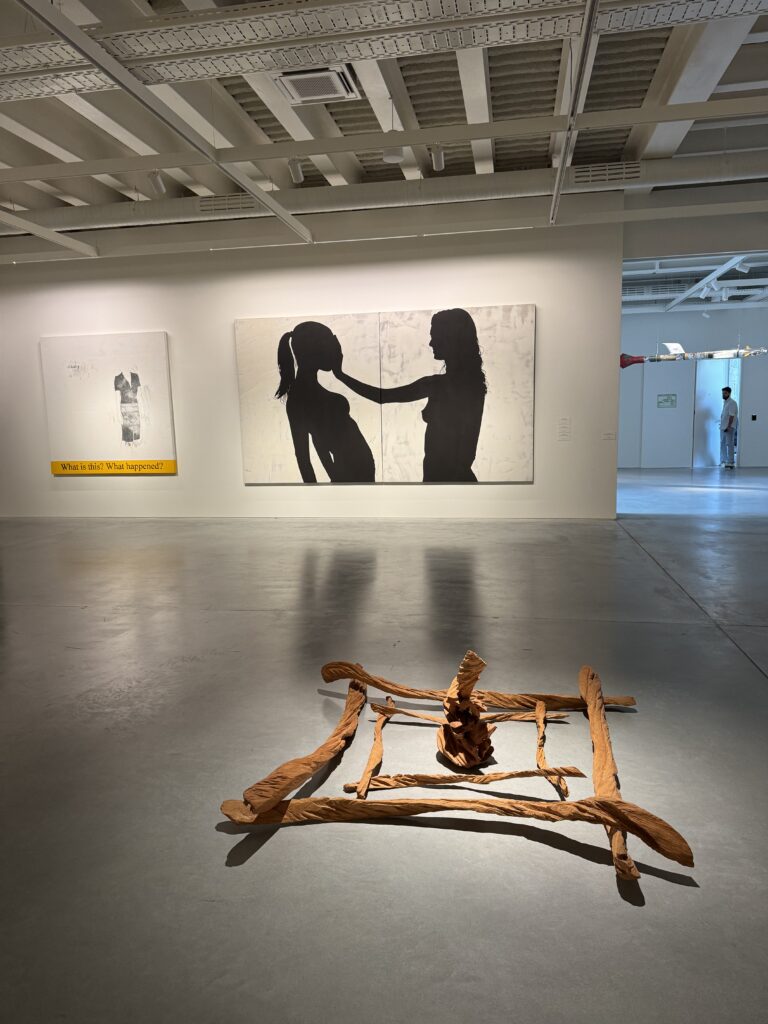
Among the museum’s four floors plus na auditorium, Olympus was the space that lingered with me the longest. Home to the permanent exhibition of Anselm Kiefer, it creates an atmosphere that feels almost ceremonial. The monumental works don’t offer immediate answers; they demand time, inviting visitors into a confrontation with history, memory and ethics. I found myself constantly assigning new emotions to each piece, only to question them moments later. Rather than certainty, Olympus offers intellectual friction, which felt like the exact purpose of it,
If Olympus became the museum’s intellectual heart, Praça felt like its social one. Open, welcoming and permeable, it embodies MUZEU’s ambition to become more than an exhibition venue. It is a space designed for encounters—between disciplines, between visitors and, above all, between ideas.
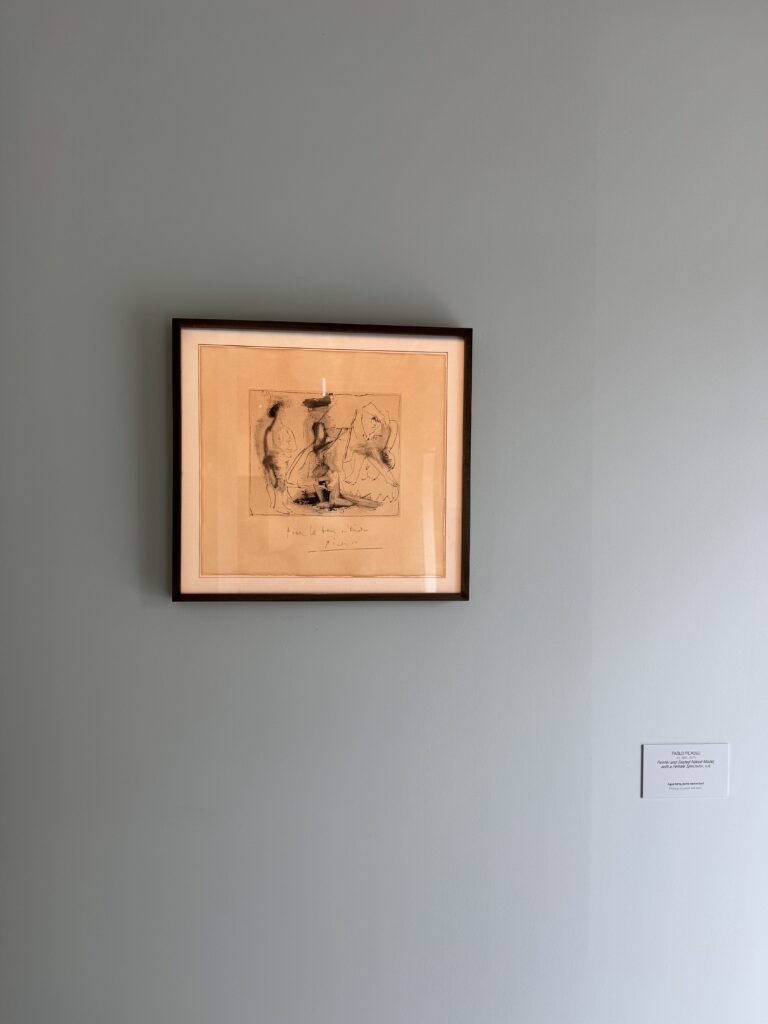
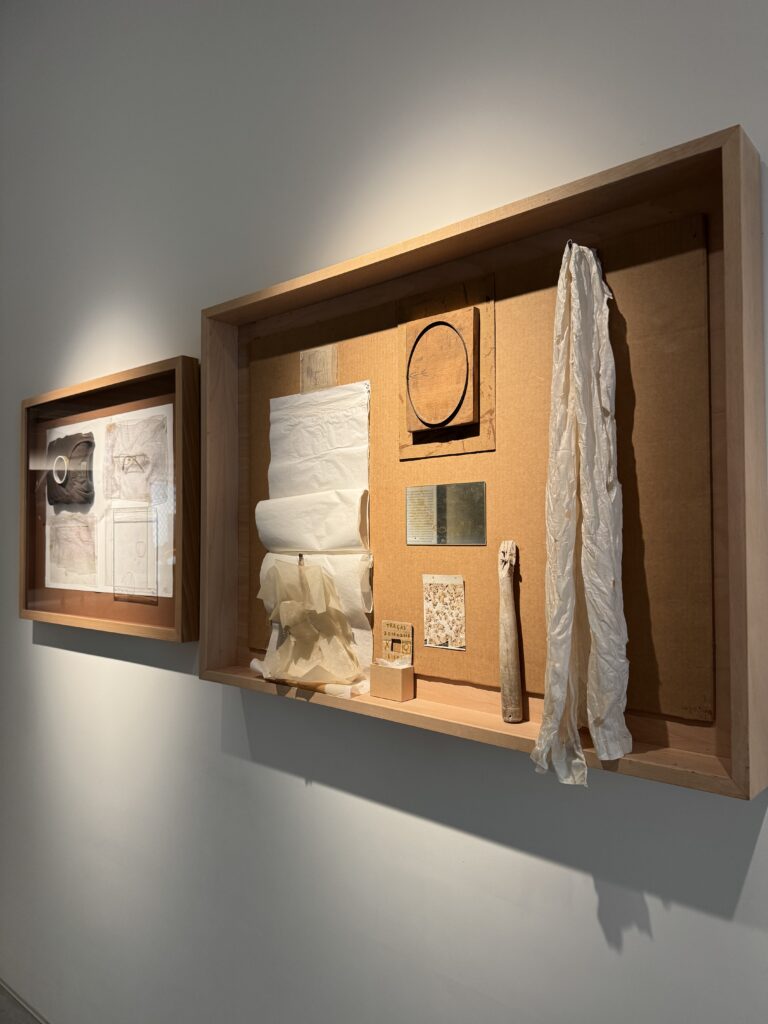
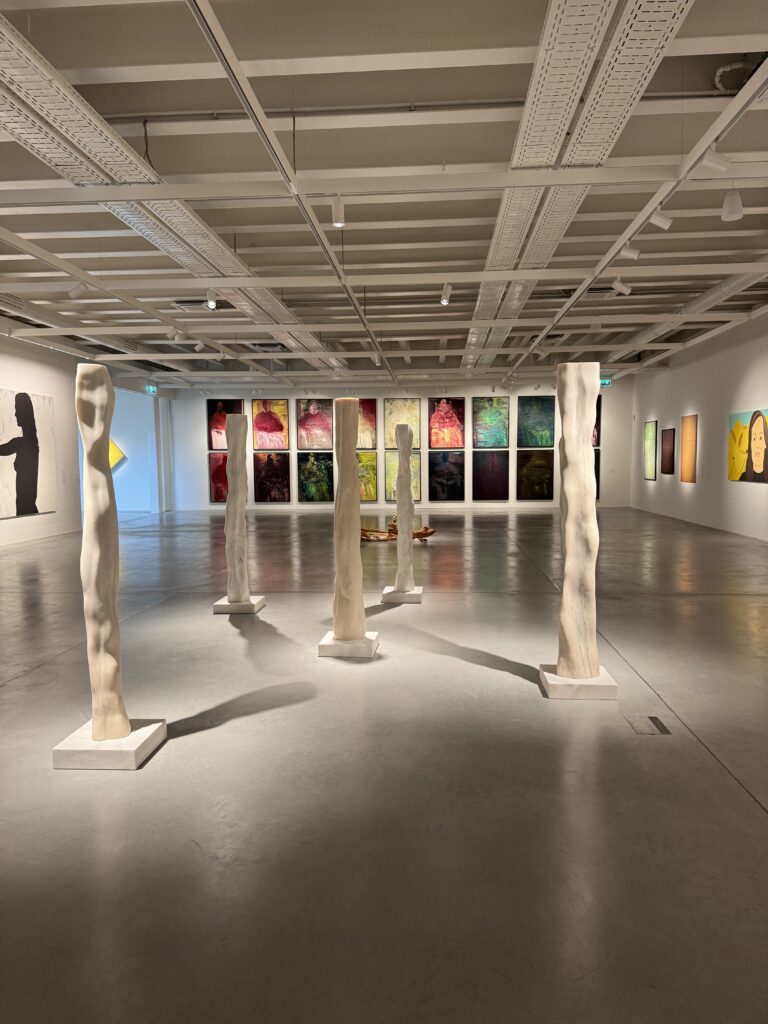
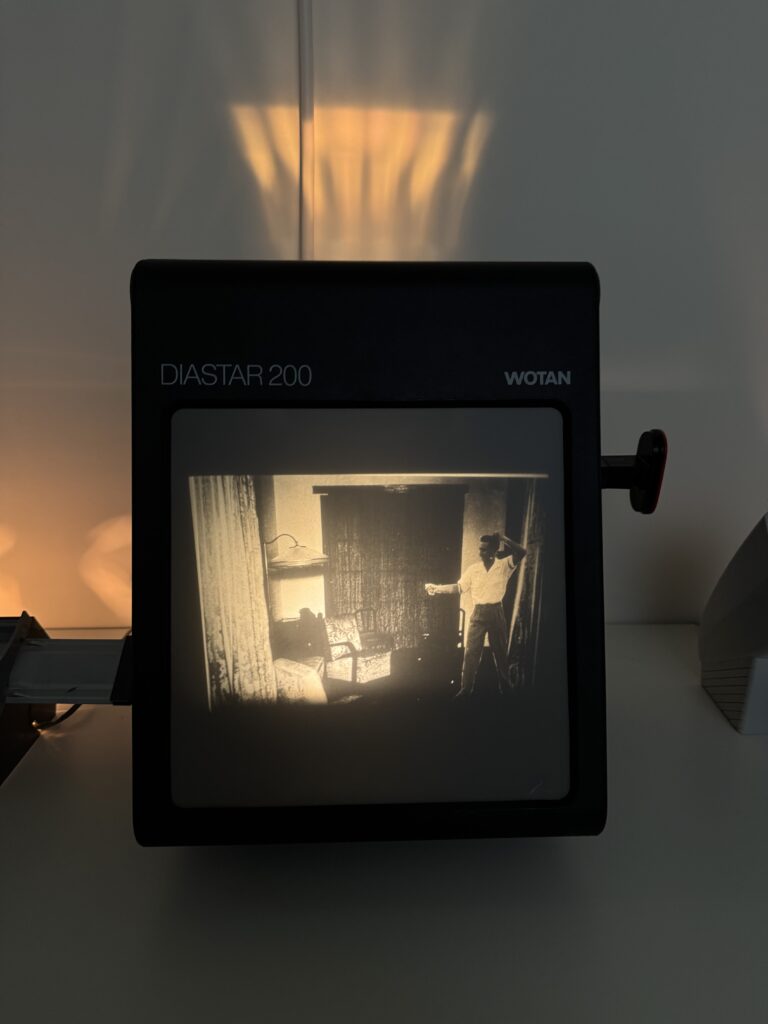
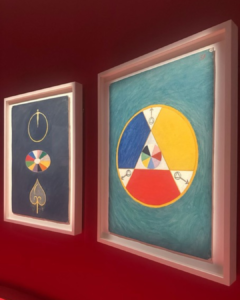
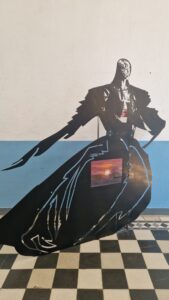
Equally memorable was encountering so many Portuguese artists whose work forms part of our collective cultural memory. Paula Rego instantly transported me back to childhood, while Manuel Rosa’s marble sculptures demonstrated how material itself can become narrative. Délio Jasse’s slide viewers encouraged a slower, more intimate way of looking, reminding me that contemporary art often rewards patience rather than immediacy.
It’s interesting, more than 1,500 works by around 240 Portuguese and international artists, yet rather than separating national and international perspectives, MUZEU allows them to exist in dialogue, demonstrating how contemporary art transcends geographical boundaries while remaining deeply rooted in individual experience.
The coherence of this dialogue owes much to the curatorial vision of Helena Mendes Pereira. Rather than organising the collection as a chronological survey or an encyclopaedic display, the exhibition unfolds as a sequence of conversations between artists, ideas and historical contexts. The result is a journey where each floor feels less like a gallery and more like another chapter in the museum’s narrative.
What surprised me most was not any individual artwork but the remarkable coherence between the museum’s story, its architecture and its curatorial vision. Every decision appears intentional. Every preserved architectural feature reinforces the dialogue between past and present. Every member of staff I encountered contributed to that experience, generously sharing additional insights that transformed the visit into something far more engaging than a conventional museum tour.
I left MUZEU with an unexpected sense of intellectual fulfilment. Not because I had understood every artwork, I most certainly hadn’t, but because I had been encouraged to question each one. In a cultural landscape where museums sometimes compete through scale or spectacle, MUZEU distinguishes itself by cultivating discussions.
Perhaps that is its greatest achievement. A building once devoted to delivering judgements has become a place where uncertainty is celebrated, where conversations remain open and where every visitor is invited to complete the story for themselves.